Treatment in Armenia
Eye Care and Laser Vision Correction in Yerevan
A trip for surgery needs to include examinations and follow-up visits. We explain the differences between LASIK, PRK, and SMILE, cataract treatment, and the conditions for returning home.
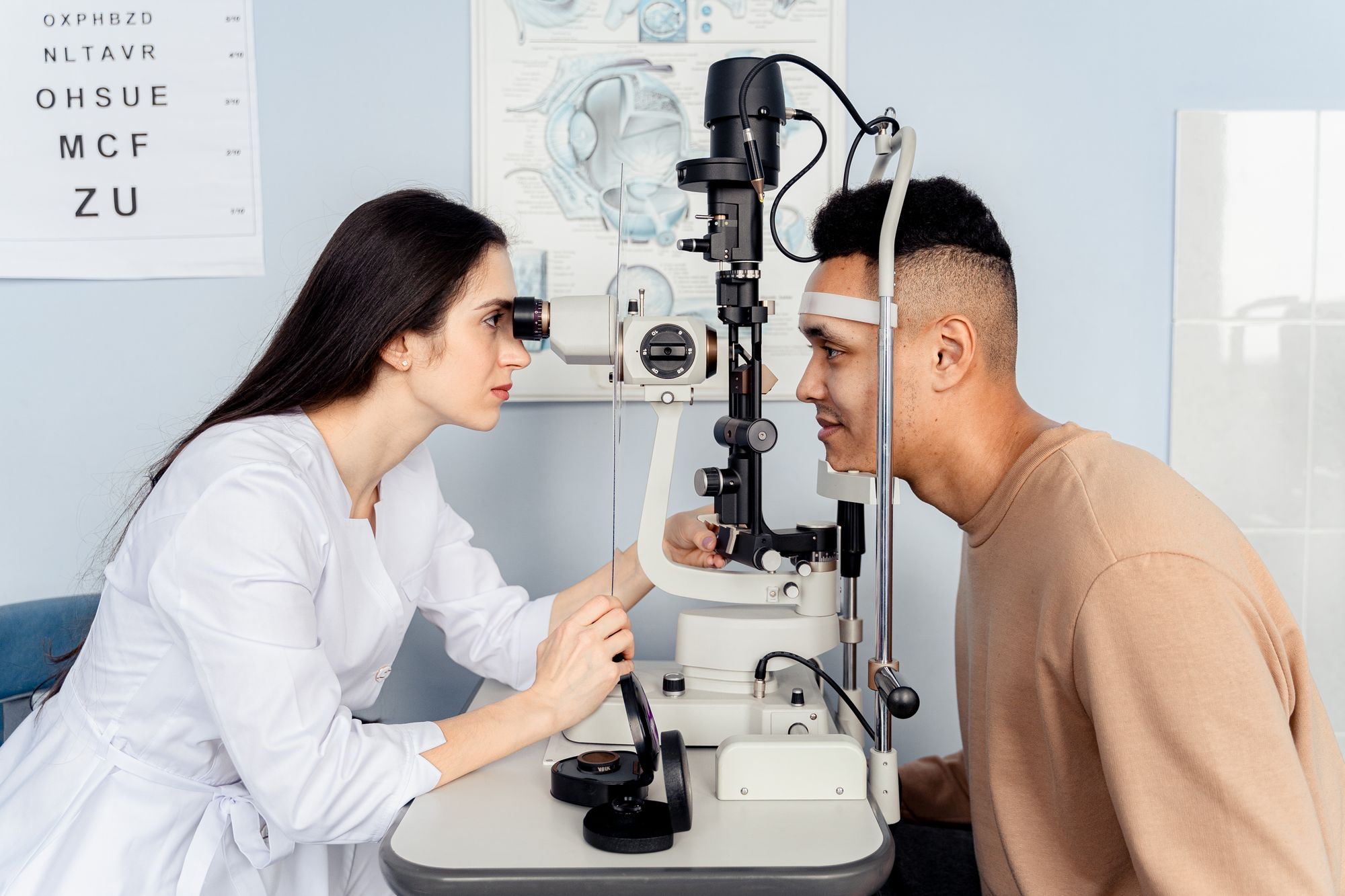
Photo: Antoni Shkraba / Pexels
Where to Start When Planning Treatment
LASIK and PRK laser vision correction are performed in Yerevan, as listed, for example, on the website of one of the city’s clinics. Before booking your trip, clarify what you want to achieve: reduce your dependence on glasses, understand why your vision has worsened, or get a treatment plan for an already diagnosed cataract.
Send the clinic your existing medical reports and explain your expectations: whether reading without glasses, working at a computer, or driving in the evening matters to you. Ask the doctor to explain which of these goals the proposed surgery can address. Even after correction, you may still need glasses, including reading glasses as you age. Discuss this before paying for treatment.
Correspondence with the clinic helps prepare for your visit. The final decision about surgery is made after an examination. Ask for a preliminary schedule: consultation, diagnostic tests, discussion of results, possible surgery, and follow-up visits. Agree separately on how the plan will change if the surgeon determines that surgery is not appropriate.
LASIK, PRK, and SMILE: General Differences
These methods reshape the cornea, the clear front surface of the eye. They differ in how the tissue is accessed and treated.
| Method | How the correction is performed |
|---|---|
| LASIK | The surgeon creates a thin corneal flap, reshapes the tissue underneath with an excimer laser, and puts the flap back in place. |
| PRK, or photorefractive keratectomy | The surface layer of the cornea, called the epithelium, is removed. A laser then treats the tissue underneath. |
| SMILE | A laser creates a small piece of tissue, called a lenticule, inside the cornea. The surgeon removes it through a small incision. |
In FemtoLASIK, a femtosecond laser creates the flap. In TransPRK, the laser also removes the surface layer. The name of the technology alone does not determine whether it is suitable for you. The general principles are described in this Moorfields Eye Hospital article.
Ask the surgeon to explain the choice of method based on your examination results and discuss the alternatives. Check separately whether your chosen clinic in Yerevan offers SMILE or a specific type of LASIK.
What the Examination Before Vision Correction Involves
Planning for LASIK includes assessing refraction, corneal shape and thickness, pupil size under different lighting conditions, and overall eye health. Stable vision is important: bring previous eyeglass prescriptions so the doctor can compare them. A list of examinations and eligibility criteria is available in the MedlinePlus Medical Encyclopedia.
Ask for an explanation of the results in plain language: what findings were identified, why they affect the choice of surgery, and whether further testing is needed. Do not settle for “everything looks suitable” without discussing the limitations.
If you wear contact lenses, agree in advance on how long to stop wearing them. They can temporarily change the shape of the cornea and affect measurement accuracy. The interval depends on the type of lenses; measurements sometimes need to be repeated. Provide information about medical conditions, previous operations, medications, and allergies. The FDA’s guide to preparing for LASIK discusses these issues in detail.
Discuss possible dry eyes, glare, halos around lights, and difficulty driving at night. LASIK risks also include infection and lasting vision deterioration. Ask the doctor to explain the risks in your particular case.
Cataracts: A Separate Treatment Plan
A cataract is clouding of the eye’s natural lens. During surgery, the cloudy lens is removed and replaced with an artificial lens. LASIK, PRK, and SMILE work on the cornea and do not remove clouding of the lens.
The decision to have surgery depends in part on how much the cataract affects daily life. An examination and eye measurements are performed before the procedure. Ask for the artificial lens model to be specified in the plan and for an explanation of the expected distance and near vision. You may still need glasses after surgery. These points are discussed in the NHS guide.
If both eyes need treatment, agree on the order of procedures and the number of trips. Do not assume in advance that the entire plan will fit into one short visit.
The operation usually takes about 20–45 minutes, and the patient goes home the same day. This does not mean recovery is complete: vision may take several days to improve, and prescribed eye drops are usually used for about four weeks. These estimates come from the NHS; your surgeon determines your individual schedule.
How Much Time to Allow for Your Trip
Distinguish between returning to your usual activities and completing follow-up care. After LASIK and SMILE, office work is usually possible within one or two days; after PRK, it is generally possible after about a week. These time frames depend on recovery and the nature of your work; your doctor gives clearance. General estimates are described in this Moorfields Eye Hospital article.
After LASIK, the first follow-up examination usually takes place within 24–48 hours. Further examinations are then needed; vision may continue to change for several months. Agree on the follow-up schedule before leaving. The FDA describes this approach to follow-up care.
Ask the clinic to answer these questions in writing:
- When should you arrive for the examination, and might measurements need to be repeated?
- Which examinations must take place in Yerevan?
- When will the doctor be able to decide whether you can leave?
- Which checks can a local ophthalmologist perform after you return home?
- What should you do if you need to extend your stay?
Allow extra time and choose booking terms that let you postpone your departure. The practical steps are collected in the guide to preparing for treatment.
When You Can Fly After Surgery
Flying is often possible a few days after laser vision correction, but you need to agree on the date with your surgeon based on the examination results. This estimate from Moorfields Eye Hospital does not replace individual clearance.
For cataract treatment, also discuss your travel plans and follow-up visits in advance. Ask the doctor to specify the conditions under which you will be able to fly, and confirm them before returning home.
A separate restriction applies to a gas bubble inside the eye, which may be used during retinal surgery. You cannot fly while the bubble remains: pressure changes can cause it to expand and dangerously increase pressure inside the eye. This restriction also applies to travel to high altitudes. Moorfields Eye Hospital warns about this.
If a retinal procedure is added to your treatment plan, review your flight plans and mountain excursions with the surgeon again. Pack your prescribed eye drops in your carry-on bag and save your doctor’s instructions so you can access them without an internet connection.
How to Compare Terms and Costs
Our editorial team is collecting price lists from eye clinics in Yerevan. A verified comparison of prices is not yet available. Request the cost of laser vision correction in Yerevan in a written estimate after discussing the method and scope of treatment.
Ask for the following to be listed separately:
- the chosen method and the cost of surgery on one or both eyes;
- consultations, diagnostic tests, and any repeat tests;
- medications and follow-up examinations;
- terms for additional treatment if needed;
- for cataracts, the model and cost of the artificial lens.
Compare the same scope of services. Confirm the payment currency, how long the offer is valid, and the process for refunding an advance payment if surgery cannot go ahead for medical reasons. Budget separately for accommodation, travel, and a possible extension of your trip.
Before paying, request information about the facility’s license and the name of the operating surgeon. Ask about their experience with the proposed method, whether you can speak with them before the procedure, and how to obtain urgent care. Request a sample contract and surgical consent form in a language you understand.
What to Prepare and Obtain Before Leaving
Gather your medical reports, previous eyeglass prescriptions, examination results, and a list of medications with dosages. Confirm the language used with the doctor and coordinator, whether someone can accompany you, and how to contact the clinic outside scheduled appointments.
Before returning home, ask for:
- a discharge summary with the diagnosis, date, and name of the operation;
- examination results from before and after treatment;
- for cataracts, details of the implanted lens;
- an eye drop schedule, restrictions, and dates of the next examinations;
- a contact for urgent assistance and payment documents.
Agree on who will provide follow-up care at home and how to send them your records. If a remote consultation is planned, clarify which results from an in-person examination you will need to send.
If you have severe pain or worsening vision after surgery, seek help immediately rather than waiting for your scheduled follow-up, as the FDA emphasizes. Sudden flashes, many new floaters, or a dark “curtain” across your vision also require urgent assessment, as stated in the NHS guide.
Frequently asked questions
How do I choose between LASIK, PRK, and SMILE?
Choose the method with your surgeon after an examination. Ask them to explain why it suits your eyes, what limitations apply, and what alternatives are available.
Can laser vision correction treat cataracts?
LASIK, PRK, and SMILE reshape the cornea. Cataract surgery replaces the cloudy natural lens with an artificial lens.
When can I fly after surgery?
Agree on the date with your surgeon based on the procedure and follow-up examination. Flying is prohibited if a gas bubble remains inside the eye after retinal surgery.
How much does laser vision correction cost in Yerevan?
Our editorial team is collecting price lists. Request a written estimate specifying the method, the number of eyes being treated, diagnostic tests, medications, and follow-up visits.
Sources
- S. V. Malayan Eye Center — excimer laser eye surgery
- Moorfields Eye Hospital — questions about laser eye surgery
- MedlinePlus — LASIK: examinations, limitations, and risks
- FDA — before, during, and after LASIK surgery
- NHS — cataract surgery
- Moorfields Eye Hospital — retinal surgery and restrictions with a gas bubble