Treatment in Armenia
Orthopedics and Joint Replacement in Armenia
When planning orthopedic treatment, discuss examinations, the procedure, recovery, and the journey home in advance. This guide covers which documents to prepare, how to plan the length of your stay, and what to ask about rehabilitation.
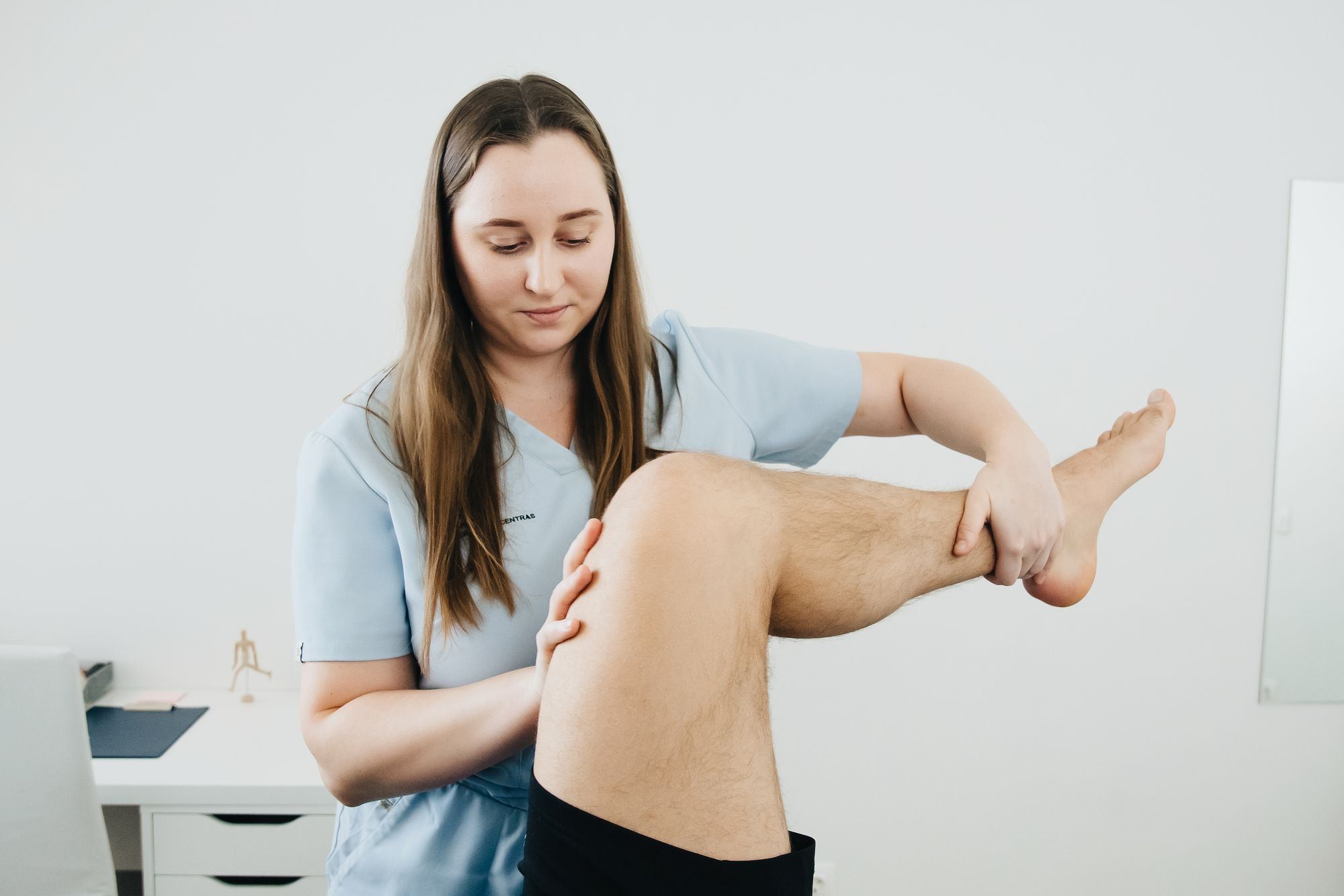
Photo: Funkcinės Terapijos Centras / Pexels
Where to start
Hip and knee replacements, arthroscopic procedures, and surgery to correct deformities are performed in Yerevan. These services are listed, for example, in the description of the orthopedic department at one Yerevan clinic.
Start with the goal of treatment: what exactly makes it difficult for you to walk, sleep, work, or care for yourself? Tell the doctor when the pain began, what makes it worse, and what treatment you have already received. Explain whether you can walk without support, climb stairs, and get dressed on your own.
Ask the doctor to explain which diagnosis has been confirmed, whether additional tests are needed, and which treatment options are worth discussing. If surgery is proposed, ask about its purpose, alternatives, and risks in your particular case.
For your first consultation, prepare your existing scans and X-rays with their reports, along with discharge summaries. Ask how to send the original imaging files: whether a secure link is sufficient or another method is needed. Arrange any new tests in advance so you arrive with the necessary materials.
What to agree on before joint replacement
Joint replacement involves replacing a damaged joint or parts of it with artificial components. For joint conditions, surgery may be discussed when other treatments no longer provide enough relief from pain and limitations. This approach is described in the RNOH orthopedic hospital guide.
Before paying, ask for a written preliminary plan. Clarify the following:
- which joint and which side will be operated on;
- whether a total or partial replacement is planned;
- which implant will be used and who manufactures it;
- why the doctor recommends this design and fixation method;
- what circumstances could change the plan after an in-person examination;
- who is responsible for anesthesia, early recovery, and follow-up care.
If the joint has already been replaced, mention this immediately and include records of the previous procedure. Ask separately whether the clinic can handle your case and what information about the existing implant it needs in advance.
Discuss the expected changes in daily life. Set specific goals, such as leaving home independently, and ask the doctor to assess how realistic they are.
Spine treatment
Specialist departments in Yerevan treat herniated discs, spinal canal narrowing, deformities, and the effects of injuries. These conditions are listed, for example, on the spine pathology department page of one Yerevan clinic.
When contacting the clinic, describe the location of your pain, any numbness, and changes in strength in your arms or legs. Send your existing MRI scans, CT scans, X-rays, and reports. Ask which of these the doctor can use for the consultation and what else will be needed.
If a procedure is proposed, ask for its full name: what problem it is intended to address, whether implants are needed, and what restrictions will apply after surgery. Ask whether treatment can continue without surgery and how its results will be assessed.
New weakness in your arms or legs, urinary retention, or loss of bladder or bowel control requires urgent medical assessment. Do not delay seeking help until your planned trip: the description of the same department also identifies these symptoms as reasons to see a doctor immediately.
How many days to allow for the trip
Distinguish between time in the hospital, time staying near the clinic, and full recovery. Below are general time frames from guides published by the British National Health Service, NHS. Your treating team in Armenia will determine your individual timeline.
| Stage | General time frame | What to clarify |
|---|---|---|
| Hospital stay after hip replacement | Usually 1–3 days if recovery is going well and you are ready for discharge | What conditions must be met before discharge |
| Hospital stay after knee replacement | Usually 1–4 days if there are no complications and you can move around safely | Whether you will need help after leaving the hospital |
| Removal of stitches or staples, if needed | Often around 10 days | Where and by whom the wound will be examined and cared for |
| Recovery after joint replacement | Usually several months, sometimes longer | Where to continue rehabilitation sessions and have follow-up checks |
These time frames are based on NHS guides to recovery after hip replacement and knee replacement.
Being discharged does not mean you are ready to fly. RNOH warns about the risk of blood clots when flying soon after surgery and cites the Royal College of Surgeons’ general time frames: short flights after 6–8 weeks and long flights after 12 weeks. These time frames come from an overseas patient guide. Agree on your individual travel date with your surgeon before buying tickets.
There is no single number of days that applies to every trip. Ask the clinic to provide separate schedules for examinations, hospitalization, follow-up appointments after discharge, and the earliest permitted departure date. Request a separate schedule for spine surgery.
How to arrange rehabilitation
After joint replacement, learning to walk and do exercises begins while you are still in the hospital. You may need crutches or a walker during the early stages. Daily activities and home exercises are discussed before discharge. These steps are covered in the NHS guides to recovery after hip replacement and knee replacement.
Before traveling, find out who develops your recovery program, where sessions take place, and whether they are included in the estimate. Ask to discuss in advance how much weight you can put on your leg, the use of walking aids, and help from the person accompanying you.
When choosing accommodation, ask about an elevator, steps at the entrance, an accessible shower, and space for a walker. Send photos of the room to your rehabilitation specialist if you are unsure whether it will meet your needs.
Before discharge, ask someone to demonstrate the exercises and safe ways to stand up, sit down, and use stairs. Check that both you and the person accompanying you understand the instructions. Agree on who will continue your rehabilitation sessions after you return home and how to send them the surgeon’s recommendations.
Can recovery continue at a sanatorium?
Armenia’s official tourism portal describes Jermuk as a resort with mineral waters and water treatments. Whether a particular program is suitable after surgery needs to be assessed separately.
If you want to include Jermuk in your trip, first agree on the journey and each proposed treatment with your surgeon. The RNOH guide links returning to a swimming pool after hip replacement to the condition of the wound and the ability to enter and leave the water safely. Clearance for mineral baths should be discussed separately.
Before booking, ask the sanatorium:
- whether it accepts patients after your procedure and at what stage of recovery;
- who reviews the discharge summary and approves treatments;
- whether individual rehabilitation sessions following the surgeon’s program are available;
- how assistance with mobility and access to hospital care are arranged.
Ask for a written response specific to your case. Clarify which documents are required for admission and whether you can reschedule the booking if your doctor changes the timeline.
What makes up the cost
Our editorial team is collecting price lists. We do not yet have a verified, comparable price for a full course of treatment with rehabilitation.
Request a personalized, itemized estimate. Ask how the following affect the total:
- the type of procedure and complexity of the case;
- the implant manufacturer, model, and set of components;
- tests, consultations, and anesthesia;
- the length of the hospital stay and room arrangements;
- medications, dressing changes, and walking aids;
- rehabilitation sessions and follow-up appointments.
Calculate accommodation after discharge, assistance from an accompanying person, transportation, and possible ticket changes separately. Ask the clinic to specify the payment currency, how long the offer is valid, and the terms for advance payments and refunds.
Agree on what additional costs may arise if the plan changes or complications occur, and how the clinic will notify you. Compare offers that cover the same services.
What to prepare and how to arrange your return
Gather discharge summaries, scans and X-rays with their reports, and information about previous operations, chronic conditions, and allergies. Prepare a medication list with dosages. Ask your doctor for written instructions on taking your regular medications before and after the procedure.
Clarify the language used for consultations, discharge documents, and emergency communication. Ask for a copy of the clinic’s license and information about the specialist who will perform the procedure. Arrange a contact for questions after you leave and agree on what to do if your condition worsens.
Before returning home, request:
- a discharge summary with the diagnosis and a description of the operation;
- information about the joint implant or other implants used;
- medication instructions with dosages and treatment duration;
- an exercise program and restrictions on weight-bearing and activity;
- a follow-up schedule, a list of required tests, and instructions for sending results.
Choose in advance who will provide follow-up care at home and ask whether you can send your records before leaving. Discuss any airport assistance you need with the airline, and ask your insurer about coverage for planned treatment and possible complications.
You can check your overall arrangements for travel, documents, and accommodation against the step-by-step patient guide.
Frequently asked questions
How many days do I need to stay in Armenia after joint replacement?
The hospital stay and the total length of your trip are different. Ask your surgeon to specify the time in the hospital, follow-up appointments after discharge, and when you can return home.
Can surgery be arranged before I arrive?
Request a preliminary plan based on your medical records in advance. Ask which decisions the doctor can make only after an in-person examination and additional tests.
Can I go straight to a sanatorium after surgery?
Travel and treatments must be agreed on with your surgeon. Before booking, get confirmation from the sanatorium that it can accept you, taking your procedure and prescribed recovery program into account.
Will I need to return to Yerevan for follow-up care?
Arrange this before treatment. Ask which appointments must be in person, which checks can be done at home, and how to send the results to your treating doctor.
Sources
- Erebouni Medical Center — Traumatology and Orthopaedic Department
- Erebouni Medical Center — Department of Spine Pathology and Vertebral Surgery
- NHS — Recovering from a hip replacement
- NHS — Recovering from a knee replacement
- Royal National Orthopaedic Hospital — A Patient’s Guide to Hip and Knee Joint Replacement Surgery
- Armenia Travel — Health & Wellness