Treatment in Armenia
Plastic Surgery and Rhinoplasty in Armenia
When planning plastic surgery in Armenia, discuss the scope of the procedure, recovery, and follow-up care after returning home with your surgeon in advance. We explore these questions using rhinoplasty as an example.
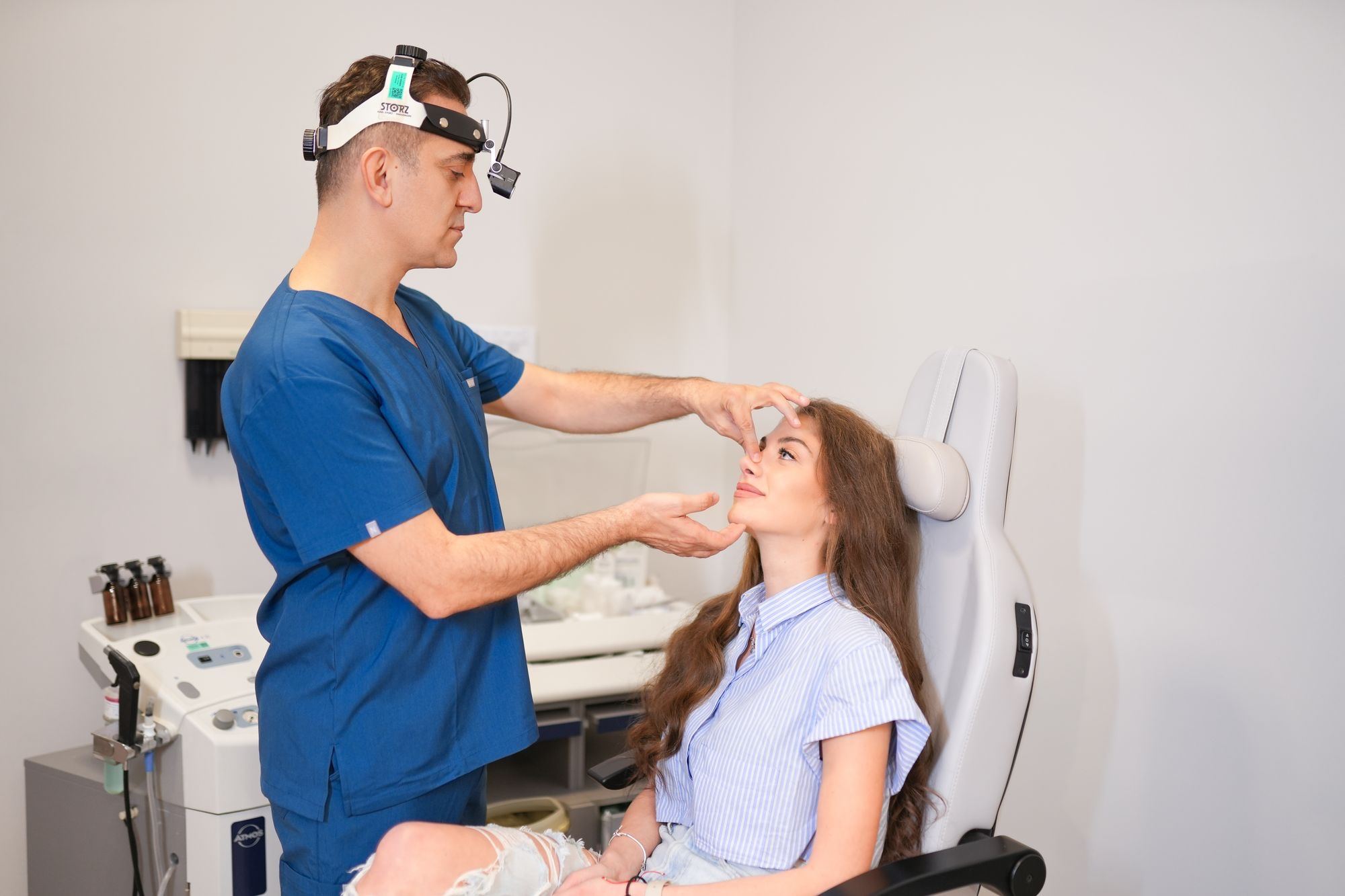
Photo: fahri tokcan / Pexels
Where to Start When Considering Plastic Surgery
Define exactly what you want to change and which questions you want to address during the consultation. For nose surgery, it helps to list your appearance goals and breathing concerns separately: when the congestion started, whether you have had injuries, and whether you have had previous procedures.
Rhinoplasty changes the shape or size of the nose. Septoplasty corrects the nasal septum; sometimes these procedures are combined. The scope of surgery is determined after an examination. This distinction is explained in the Cambridge University Hospitals information leaflet.
If you are also considering eyelid surgery, breast surgery, or another procedure, request a separate discussion of the indications, risks, and recovery. Discuss whether procedures can be combined with your surgeon and anesthesiologist before booking your trip.
Prepare a list of questions and allow time to make a decision after the consultation. Ask the doctor to explain which changes are possible in your case and what may limit the outcome.
How to Choose a Surgeon in Yerevan and Read Reviews
Start with the facility’s documents. Ask for its legal name, the address where surgery will take place, and the license number and a copy of the license. Check the information in Armenia’s unified electronic register of licenses: the platform provides a search function, type of activity, and license status. If an entry is unclear, ask the facility for an explanation before paying.
Separately, ask about the doctor’s education, specialty, and experience with the specific procedure you need. Arrange to speak with the surgeon who will perform the operation. Ask how many such procedures they have performed, about complications, and about follow-up care if something goes wrong. These questions for surgeons are listed in the NHS guidance.
When reviewing a portfolio, ask to see cases with starting features similar to yours. Ask how long after surgery the photographs were taken, and request unretouched photographs taken from matching angles. Discuss how your case differs from the examples shown.
When reading rhinoplasty reviews in Yerevan, look for specifics: whether the patient had a consultation with the surgeon, how follow-up appointments went, and whether the team responded after discharge. Save any questions that arise while reading and discuss them in person. An individual review cannot predict your outcome.
What Determines the Cost of Rhinoplasty
Our editorial team is collecting price lists from clinics in Yerevan. We do not yet have a verified, comparable cost breakdown for this page, so no prices are listed here.
To find out the cost of surgery in your case, request a written estimate after the consultation. Ask for the scope of the procedure to be specified and the following items to be listed separately:
- the surgeon’s, anesthesiologist’s, and operating room team’s fees;
- tests and preoperative consultations;
- the hospital stay;
- additional materials or harvesting your own cartilage, if included in the plan;
- medications, dressing changes, and follow-up appointments;
- further care for complications or the need for another procedure.
Clarify how the estimate changes if you need septum correction, revision surgery, or an additional day in the hospital. Ask what changes to the estimate may be made after an in-person examination.
Budget separately for flights, accommodation, someone to accompany you, and extending your trip. Before paying a deposit, obtain the terms for rescheduling surgery and refunds, and confirm the currency for the final payment.
How Long to Stay
Plan your trip around the consultation, tests, surgery, and follow-up appointments. For initial budgeting and time-off discussions, allow about two weeks after the procedure, plus time for preparation. This is a planning guideline based on postoperative recommendations; your surgeon will determine the specific dates.
| Stage | Time frame to discuss |
|---|---|
| Consultation and tests | Before surgery; confirm the time needed in advance |
| Follow-up appointment to remove the external splint | Usually about 7–10 days |
| Time off work | Often about two weeks; depends on your work and how you feel |
| Reduction in bruising and swelling around the eyes | Usually within 2–3 weeks |
| Assessment of the final shape | After several months; residual swelling may persist for 6–12 months |
These postoperative time frames are provided in the Hull University Teaching Hospitals information leaflet. They help explain the recovery process but do not determine your departure date.
Before buying tickets, request a schedule of required in-person appointments. Choose accommodation that allows you to extend your stay, and confirm who will help you get to follow-up appointments. General arrangements are covered in the step-by-step patient guide.
Swelling and Recovery: What to Expect After Rhinoplasty
After surgery, you may have nasal congestion, swelling, bruising, and changes in sensation. The final shape is assessed as healing progresses. According to the NHS guidance, strenuous activity is usually restricted for about 4–6 weeks; agree on your individual time frame with your doctor.
Discuss nasal care, sleeping position, wearing glasses, and restrictions on daily activities with your surgeon. Do not remove the splint or internal supports yourself.
Ask for written instructions in a language you understand. They should list prescribed medications, care instructions, and symptoms that require you to contact the team. Do not change your prescribed treatment based on advice in reviews.
Before surgery, discuss the risks of bleeding, infection, breathing problems, and dissatisfaction with the result. These risks are described in the BAAPS and NHS information leaflets. Ask how the clinic will handle each situation and who will pay for the necessary care.
When You Can Fly Home
The Cambridge University Hospitals information leaflet recommends avoiding flights for two weeks after septorhinoplasty. Use this time frame as a starting point for discussion with your surgeon, especially if septum surgery is planned. Your doctor will clear you to fly based on the procedure performed and your recovery.
Agree on your return date before buying a ticket, and attend the scheduled examination before departure. Tell the doctor about the length of your journey and any connecting flights. Check with the airline whether a medical certificate is required.
Ask your doctor to write down travel recommendations and what to do if you feel worse. Agree on where to seek help if your flight has to be postponed. Leave a reserve in your budget for accommodation and ticket changes; it is also better to arrange help with luggage in advance.
Revision Rhinoplasty: A Separate Plan
Revision rhinoplasty is repeat surgery after a previous rhinoplasty. During the consultation, it is important to assess both appearance and breathing, and to identify which changes are related to ongoing healing.
The article on revision rhinoplasty in Seminars in Plastic Surgery generally recommends waiting at least one year after the first operation before another procedure. This allows time for scars to mature and for the result to be assessed. Exceptions are possible; the surgeon determines the timing. Seek help immediately if you have concerning symptoms.
Prepare your discharge summary, the previous operative report, before-and-after photographs, and information about complications. Revision surgery may require cartilage from another area, such as the ear or rib; the need for harvesting and the site are discussed in advance.
Ask which issues the surgery is intended to address, what limitations will remain, and how follow-up care will be arranged after you return home. Clarify payment terms for revision surgery, even if the same surgeon performs it.
What to Prepare and How to Arrange Follow-Up Care
For the consultation, gather information about your medical conditions, previous surgeries, allergies, and all medications you take, including supplements. Tell the doctor if you smoke. Agree with your doctors on which medications to continue or temporarily stop and which tests to undergo. Preparation, including discussion of medical conditions and medications, is described in the BAAPS information leaflet.
Confirm in advance which language you will use to communicate with the surgeon, anesthesiologist, and on-duty team. Arrange for someone to accompany you after discharge and help during the first few days.
Before leaving, obtain your discharge summary, operative report, prescriptions and care instructions, test results, and receipts. Record the dates of your next appointments, how to send photographs, and a contact for urgent questions. Clarify when an in-person consultation will be needed and who can provide it in your home city.
Contact your doctor without delay if you have severe pain or unexpected symptoms. Seek emergency care for heavy bleeding, shortness of breath, or chest pain. Shortness of breath and chest pain may be signs of a blood clot that has traveled to the lungs, warns the BAAPS information leaflet.
Frequently asked questions
How much time should I allow for the trip?
For initial planning, allow about two weeks after surgery, plus time for the consultation and tests. Agree on follow-up appointment and departure dates with your surgeon.
When can I fly after rhinoplasty?
Cambridge University Hospitals' information leaflet recommends avoiding flights for two weeks after septorhinoplasty. Your surgeon will determine the timing for your procedure based on your recovery.
How much does rhinoplasty cost in Yerevan?
Our editorial team is collecting price lists. Request an individual estimate that itemizes surgery, anesthesia, the hospital stay, tests, and follow-up appointments.
When can revision rhinoplasty be performed?
Repeat surgery is usually considered no earlier than one year after the previous procedure. Exceptions are possible; the surgeon makes the decision. Seek help immediately if you have concerning symptoms.
Sources
- Unified Electronic Register of Licenses of the Republic of Armenia
- NHS — Nose reshaping (rhinoplasty)
- BAAPS — Rhinoplasty
- Hull University Teaching Hospitals — Rhinoplasty: Discharge Advice
- Cambridge University Hospitals — Information after septorhinoplasty
- Seminars in Plastic Surgery — Revision Rhinoplasty: With Introduction of a Novel Preoperative Assessment Classification System